
- English
- Español
- Português
- русский
- Français
- 日本語
- Deutsch
- tiếng Việt
- Italiano
- Nederlands
- ภาษาไทย
- Polski
- 한국어
- Svenska
- magyar
- Malay
- বাংলা ভাষার
- Dansk
- Suomi
- हिन्दी
- Pilipino
- Türkçe
- Gaeilge
- العربية
- Indonesia
- Norsk
- تمل
- český
- ελληνικά
- український
- Javanese
- فارسی
- தமிழ்
- తెలుగు
- नेपाली
- Burmese
- български
- ລາວ
- Latine
- Қазақша
- Euskal
- Azərbaycan
- Slovenský jazyk
- Македонски
- Lietuvos
- Eesti Keel
- Română
- Slovenski
- मराठी
- Srpski језик
How Are Flip Flop Slippers Shaping Everyday Footwear Choices?
Article Abstract
Flip Flop have evolved from simple casual footwear into a product category that balances comfort engineering, material science, and lifestyle adaptability. This article explores how Flip Flop Slippers are designed, how key parameters influence performance, and how consumers can evaluate them across daily, travel, and indoor–outdoor scenarios.
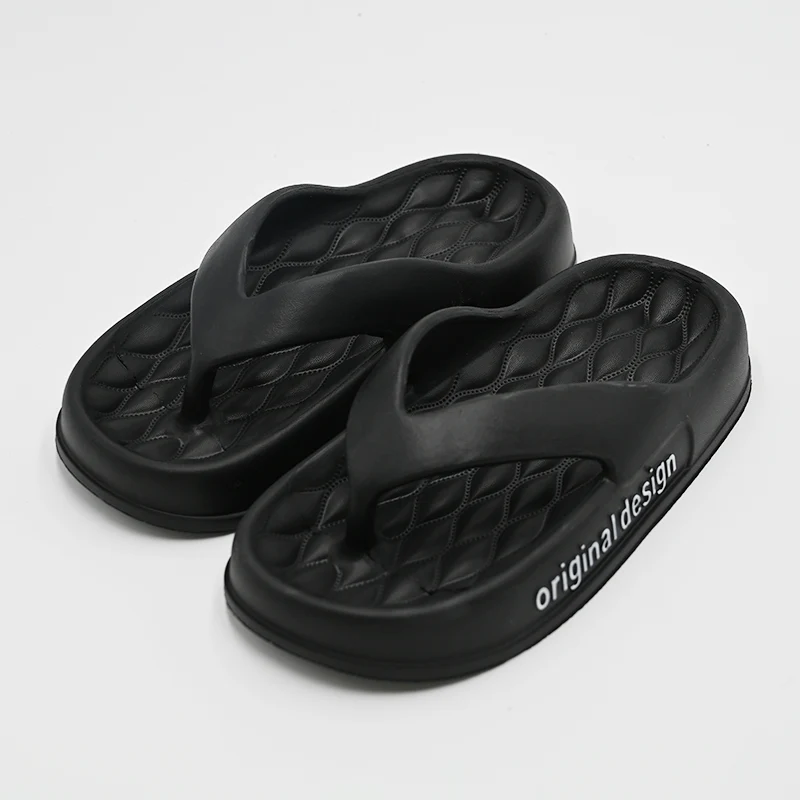
Table of Contents
- How Do Flip Flop Slippers Fit Into Modern Footwear Needs?
- How Do Product Parameters Define Flip Flop Slippers?
- How Does Design Logic Influence Comfort and Usability?
- How Are Flip Flop Slippers Used Across Different Scenarios?
- How Do Common Questions About Flip Flop Slippers Get Answered?
- How Is the Flip Flop Slippers Market Moving Forward?
- How Does Lesijia Align With These Market Expectations?
How Do Flip Flop Slippers Fit Into Modern Footwear Needs?
Flip Flop Slippers are lightweight open-toe footwear characterized by a flat or slightly contoured sole and a Y-shaped or single-band upper structure. Originally associated with beachwear and informal home use, they now serve a broader role that includes daily indoor wear, short outdoor activities, hospitality environments, and travel-related scenarios.
The central purpose of Flip Flop Slippers is to provide a balance between ease of wear, breathability, and basic foot protection. Unlike enclosed footwear, their open construction supports airflow and rapid drying, making them suitable for warm climates and transitional spaces such as poolsides, bathrooms, and temporary outdoor use.
This article focuses on how Flip Flop Slippers are evaluated from a technical and functional standpoint rather than stylistic preference, helping readers understand what drives product performance and long-term usability.
How Do Product Parameters Define Flip Flop Slippers?
Product parameters form the foundation for assessing Flip Flop Slippers objectively. These specifications determine comfort, durability, safety, and suitability for specific use cases. Below is a consolidated overview of commonly referenced parameters.
| Parameter | Common Specification Range | Functional Impact |
|---|---|---|
| Sole Material | EVA, Rubber, PU Foam | Affects cushioning, flexibility, and weight |
| Sole Thickness | 10–25 mm | Determines shock absorption and ground feel |
| Upper Material | PVC, TPU, Fabric, Synthetic Leather | Impacts durability and skin contact comfort |
| Outsole Texture | Smooth, Patterned, Anti-slip | Controls traction on wet or dry surfaces |
| Weight (per pair) | 250–500 g | Influences portability and fatigue |
| Size Range | US 4–13 (or equivalent) | Ensures broader consumer fit coverage |
These parameters are often standardized across manufacturers, allowing buyers and distributors to compare Flip Flop Slippers efficiently without relying on subjective descriptors.
How Does Design Logic Influence Comfort and Usability?
Design logic in Flip Flop Slippers centers on minimizing structural complexity while maximizing functional output. The sole contour is typically engineered with slight arch shaping to support natural foot posture during short-term wear.
Upper strap placement is another critical design factor. Proper alignment reduces pressure points between the toes and across the instep. Materials used for straps are selected to balance flexibility with tensile strength, ensuring repeated bending does not result in cracking or discomfort.
Outsole patterning contributes to usability, particularly in wet environments. Anti-slip textures are molded directly into the sole, reducing reliance on additional coatings and maintaining long-term traction consistency.
How Are Flip Flop Slippers Used Across Different Scenarios?
Flip Flop Slippers are categorized by usage context rather than demographic segmentation. Common scenarios include:
Indoor Use: Preferred for home environments due to ease of cleaning and lightweight structure.
Travel and Hospitality: Frequently used in hotels, spas, and resorts where temporary, hygienic footwear is required.
Short Outdoor Activities: Suitable for brief walking distances, such as around pools, gardens, or campsites.
Understanding these scenarios helps align product parameters with realistic performance expectations, avoiding misuse or overextension of intended functionality.
How Do Common Questions About Flip Flop Slippers Get Answered?
How should Flip Flop Slippers be sized for accurate fit?
Flip Flop Slippers should allow a small margin at the heel and toe without excessive overhang, ensuring stability while walking.
How long do Flip Flop Slippers typically last under regular use?
Lifespan depends on material quality and usage frequency, with EVA-based soles generally maintaining structure for 6–12 months of consistent use.
How can Flip Flop Slippers be maintained for hygiene?
Most Flip Flop Slippers can be rinsed with mild soap and air-dried, avoiding prolonged sun exposure to prevent material degradation.
How Is the Flip Flop Slippers Market Moving Forward?
The Flip Flop Slippers market continues to emphasize material optimization and functional refinement. Increased attention is given to recyclable compounds, lightweight construction, and adaptable sizing frameworks to serve global distribution needs.
Rather than focusing on seasonal demand alone, manufacturers are aligning Flip Flop Slippers with year-round indoor and lifestyle use, supporting steady market relevance.
How Does Lesijia Align With These Market Expectations?
Lesijia integrates standardized material selection, controlled production parameters, and scenario-based product development to meet evolving Flip Flop Slippers demand. By aligning technical specifications with practical usage patterns, the brand supports consistent quality across diverse markets.
For detailed product information, customization options, or bulk inquiries related to Flip Flop Slippers, direct communication is encouraged. Contact us to explore how Lesijia solutions can align with specific sourcing or distribution requirements.